City Parks Plan Shows Wide-Reaching DEI, Climate Equity Efforts
The plan argues that some city residents face barriers to visiting the Grand River
Grand Rapids is incorporating both climate equity and diversity, equity, and inclusion (DEI) initiatives into a master plan draft intended to help revitalize city parks.
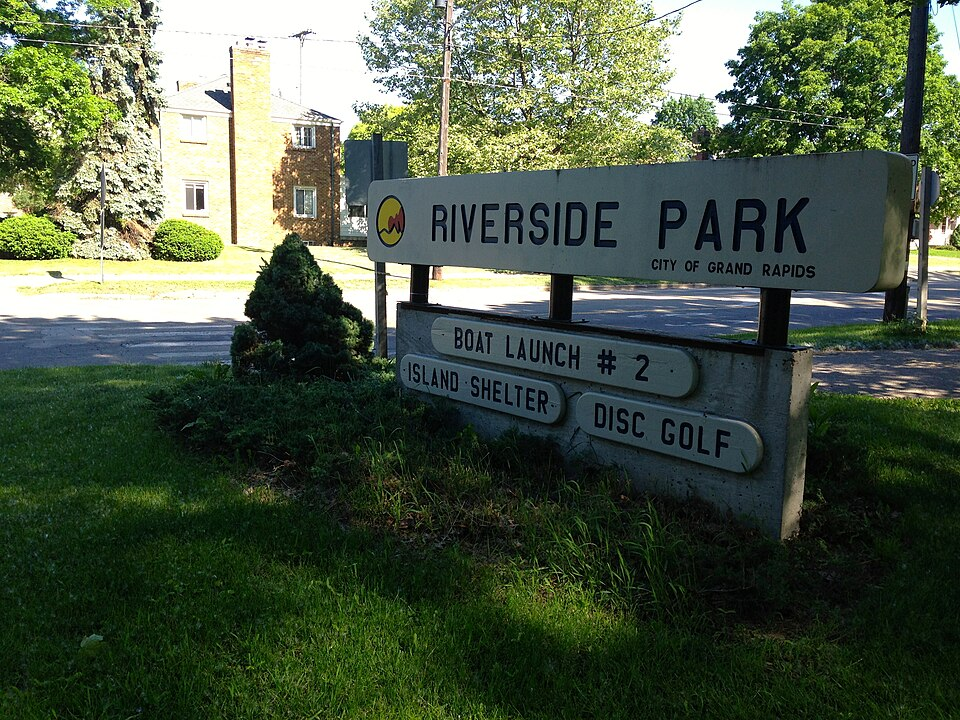
The city is now accepting public comment on a draft of its Parks and Recreation Department master plan, which will help guide the department’s vision for its shared outdoor spaces. A city release from June described the plan as a “roadmap for future investments, improvements and programming throughout the parks system.”
In the 186-page document, the word “equity” appears at least 98 times and “climate” appears at least 63 times.
In creating the plan, the city sought input from residents both through surveys and listening sessions “to ensure the Master Plan reflected the needs and priorities of the community.” The master plan reports receiving 1,738 responses via a citywide survey.
Among those responses, many wanted “more natural areas, trail connections, and neighborhood park maintenance” as their top three requested improvements. One Third Ward respondent advised the city not to “add new parks unless we can keep up with what we have.”
Included in a draft of the plan are several anonymous comments given by city residents calling for the increased use of DEI in city parks. This led the city to develop a list of “basic needs” of those who use public parks.
One such need identified by project organizers was “belonging,” which the city said incorporates “cultural diversity improvement as a key component.” An unnamed city resident is quoted in the document as calling for “breaking down barriers so that everyone feels safe in parks regardless of your socioeconomic status or race.”
Another basic need identified by the project is safety. Rather than approaching this topic from a crime perspective, however, project organizers said safety must involve “racial identity, gender, and socioeconomic status.”
“I feel very safe, but I am a large cisgender white man,” another unnamed commenter said of park safety. “My experience isn’t the only one that matters.”
Further on in the project, organizers include several equity analyses, which make mention of the city’s neighborhoods of focus (NOF).
Those communities are often given priority in the distribution of government spending and programs, and their designation is guided by ethnicity and race. Designating a NOF is often based around the “gender identity or gender expression” of the involved residents.
In analyzing its NOF, the city said those living in these areas constitute “high need populations” that have been “historically neglected from economic growth and development.” To conclude that section, organizers wrote the Parks and Rec Department is “making strides to address inequalities” in the neighborhoods of focus.
The document continues by saying the city plans to emphasize “equitable outreach and programming” in the NOF area and that it intends to prioritize business contracts and recruitment efforts among NOF residents.
Another section of the plan explains that project organizers intend to identify “priority neighborhoods” throughout the city and encourage residents to visit the Grand River through a series of “socially and culturally relevant” experiences. In justifying this decision, the document states “residents may live near a riverfront park and still face barriers to experiencing the river.”
Also mentioned in the draft plan is the Climate Action and Adaptation Plan (CAAP). That city initiative intends to limit parking, heighten regulations on energy, apply racial qualifications to city spending, and more in the name of mitigating climate change.
Organizers wrote that CAAP and the Parks and Rec plan will intersect to reduce “environmental injustice” throughout Grand Rapids.
“Environmental injustice occurs when marginalized communities experience disproportionate environmental harms from associated land uses without equitable access to the environmental benefits or meaningful involvement in decision making,” the Parks plan reads.
Another section of the Parks draft plan acknowledges the Grand River revitalization project, which includes an equity framework containing racial quotas for workers, partners, and visitors to the riverfront.
The plan notes that publicly accessible park acreage per capita in Grand Rapids is slightly below that of other "comparable cities,” though it did not name those specific locales.
Parks organizers wrote that Grand Rapids’ current parks and recreation budget of $2.7 million trails behind other peer organizations, which average about $7.9 million. The document highlighted the “critical” mission of the parks department and called on the city to increase spending as the parks system grows.
A 2025 assessment of Grand Rapids’ parks examined 83 total parks, excluding some trails and smaller green spaces. It also included 3,593 assets, or infrastructure such as playgrounds and paths and athletic facilities.
That assessment identified urgent problems in some city parks leading to “potential unsafe conditions.” Those immediate needs accounted for $8.5 million.
Several projects completed between 2022 and 2026 added over $100 million in new park assets, which will increase the parks system’s asset maintenance costs over a 10-year span. The entire parks systems’ asset replacement value, or price to replace existing assets, currently sits at $53.2 million.
Latest from The Herald
Grand Rapids Has Fewer Officers and More Crime Than Its Most Similar City
Wege, Kellogg, and GR Community Foundation Funded Organization Harassing Mayor’s Businesses
Local Nonprofit Urban Core Collective Led Anti-Corrections Millage Campaign
Incoming GRPS Superintendent Was Named in Federal Discrimination Lawsuit