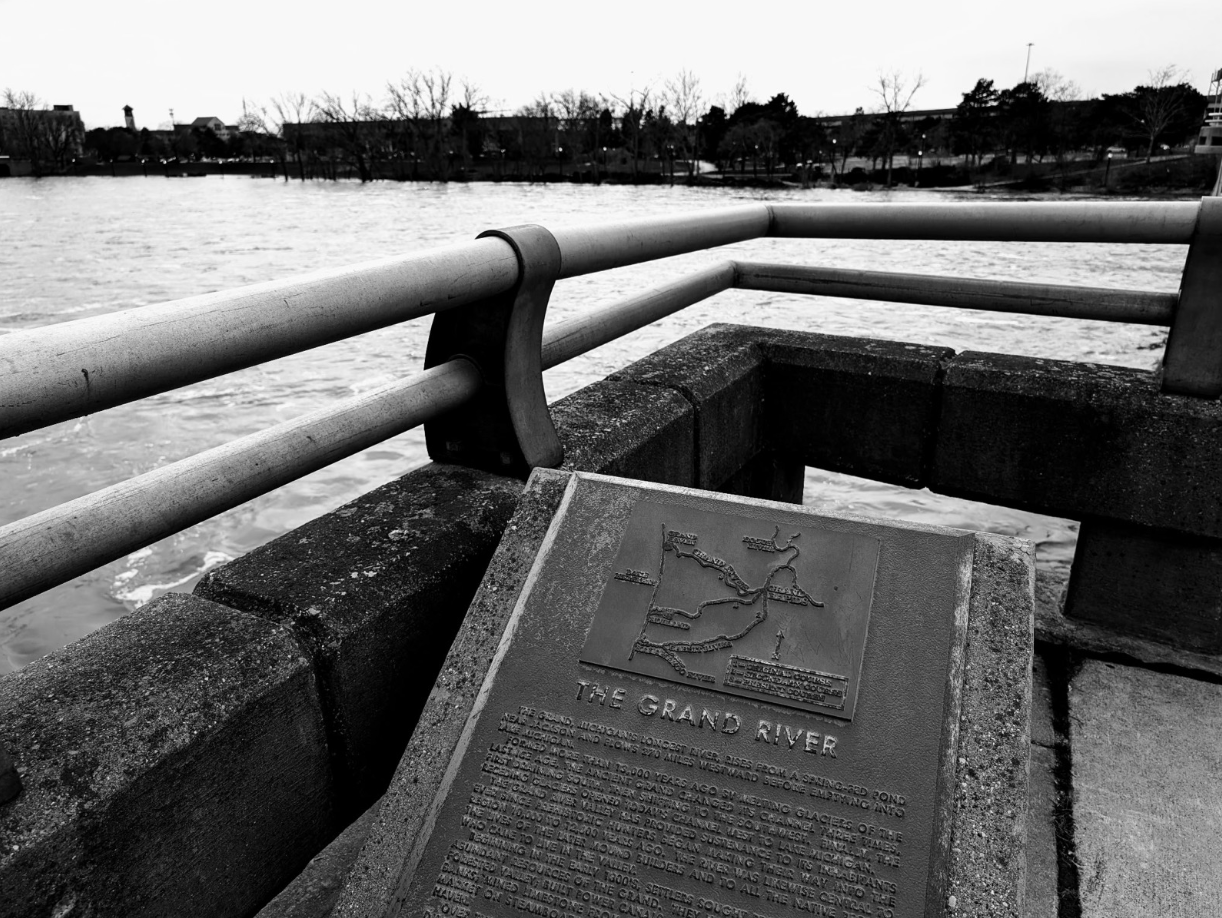
A nearly $50 million project to transform the Grand River in downtown Grand Rapids includes a racial quota for workers, visitors and partners involved in the project.
In a city planning document called the Grand River Equity Framework, project organizers described the historic investment as a “once-in-a-generation” opportunity to advance social equity. It continues by calling for the project to become a “social transformation,” without which “we risk misunderstanding each other, dividing our community, and working in unproductive silos.”
“Without intentionally bringing equity priorities into our policymaking,” the document continues, “the region risks perpetuating historic inequities, calcifying inequality, and squandering opportunities for broad-based economic growth as it remakes its river for the next century.”
The project’s first priority is described as “equitable economic development,” which includes a target for 20% of total work hours to be given to “BIPOC, low-income, and underemployed communities.” It continues by calling for 30% of all spending contracts to be signed exclusively with businesses owned by minorities or people of color.
To enforce this goal, organizers wrote they plan to create a “labor monitoring and reporting system,” which “holds contractors and local business partners responsible for providing workforce data for river projects.”
Organizers also wrote they plan to offer 350 events with “community and cultural themes” around the Grand River and seek to have a “demographic breakdown of river event attendees that mirrors regional demographics.”
“BIPOC-focused events, BIPOC and multicultural leadership of event planning should be encouraged,” the document reads.
Also laid out in the document is a goal that the river host 150 annual field trips to the river exclusively from “low-income and communities of color.”
“The restoration of the Grand River channel and development of the adjacent river corridor are unique opportunities to address long-standing inequities,” the document reads. “Instead of river investments causing displacement amid rising costs for residents, the City and County can use the river’s revitalization as a lever to mitigate disparities in income and opportunity, combat displacement, advance environmental justice, and improve overall outcomes for all residents.”
Former Grand Rapids WhiteWater CEO Steve Heacock also wrote in a blog post several years ago that the ultimate goal of the $50 million project is to “eliminate racialized disparities at the community level through wealth creation for persons of color.”
On the city’s River For All website, organizers added they plan to create an “Equitable River Restoration Advisory Board” to promote “engagement opportunities and address existing systems that can make it difficult for communities of color to engage along the river both as business owners and/or as residents.”
Write to jackson@grherald.com.