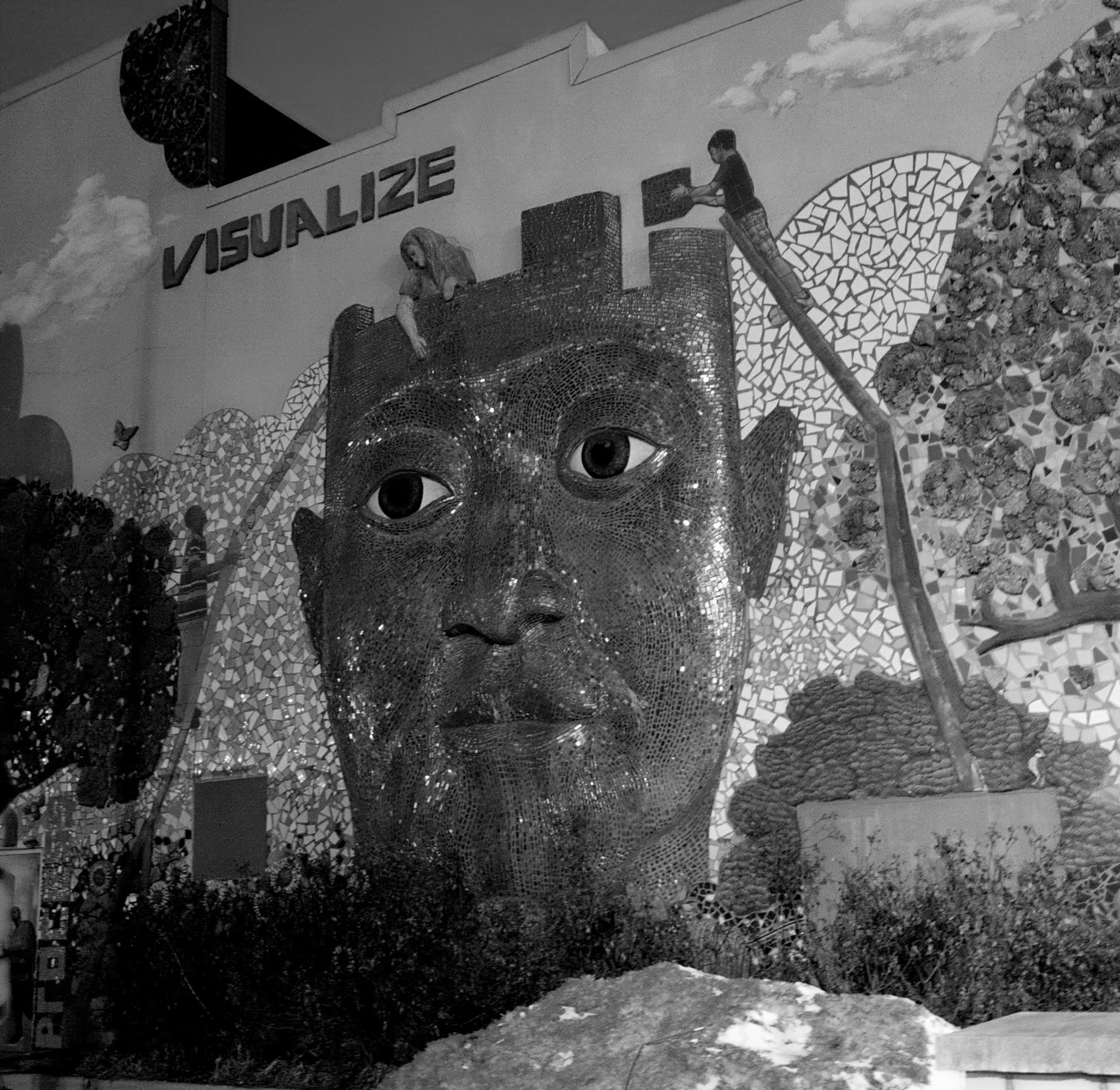
In 2025, Downtown Grand Rapids Inc. (DGRI) released its Grand River Greenway Public Art Plan, a blueprint to blanket 10 miles of riverfront trails and 230 acres of parks—from Riverside Park to Millennium Park—with sculptures and other works of art.
The plan lays out possibilities for funding the ambitious project with both public and private funding.
The program is being led by DGRI, a nonprofit partner with the City of Grand Rapids that receives substantial public funding, in conjunction with a MIG, a California-based consulting firm hired for $150,000 to develop the Grand River Greenway Public Art Plan, including public outreach, recommendations, and an implementation strategy.
Though the vision is outlined in detail, the funding model for the project is murky. The plan writers admit that financial support for public art has traditionally been “fragmented and opportunistic.”
To address the lack of funding for the program currently, the plan urges a “sustainable funding model” and recommends that the City of Grand Rapids and Kent County “explore the feasibility of a percent-for-art program to establish consistent public funding mechanisms.”
Percent-for-art programs typically carve out a percentage—often around 1%—from taxpayer-backed capital projects already earmarked for infrastructure, in this case, likely for river infrastructure.
The city, the plan states, must therefore “develop funding mechanisms to consistently support public artworks, transitioning from occasional contributions to a more sustainable funding model.”
A separately proposed Public Art Fund would pool private money, but the plan’s long-term vision leans on public agencies and bodies as “key partners and investors.”
Project organizers hope to create a “unified story” along the Grand River corridor by 2031, a story that will provide “a valuable opportunity to hear directly from Indigenous voices.”
The plan begins with a near-land acknowledgment, recognizing that “the banks of the Grand River are the ancestral homeland of the Peoples of the Three Fires.”
The greenway, according to the plan, will be filled with sculptures, murals, installations, and interactive works. DGRI has billed the plan as a cultural capstone to more than $300 million in pending public capital projects for parks, trails, dam removal, and river restoration.
The plan also promises to transform the corridor into a “vibrant, accessible” destination that “celebrates the river’s historical and cultural landscape” while advancing the aims of equity and inclusion from “local and global artistic perspectives.”
The project “aligns with the Grand River Equity Framework” and the city’s broader vision of a “River For All.”
In order to make the river more welcoming, the project organizers engaged the community through interviews and public events, capturing the “lived experiences” of the people of Grand Rapids, privileging indigenous perspectives.
Write to jacob@grherald.com.